
Imagine stepping into a world where your favorite games, movies, and concerts feel so real, you can almost touch them. Virtual reality entertainment is evolving fast, and what’s coming next will change the way you experience fun forever.
Curious about how VR will shape your entertainment in the near future? This article will reveal the exciting trends that will make your VR adventures more immersive, interactive, and unforgettable. Keep reading to discover what’s just around the corner and why you won’t want to miss out.
Credit: www.reydar.com
Advancements In Vr Technology
Virtual reality technology is moving fast. Each year, new tools make VR more real and fun. These changes help users feel like they are inside the game or story. The future of VR looks bright with many new tech improvements.
These advances focus on better visuals, smoother movement, and touch sensations. They make VR worlds more believable and exciting. Here are some key areas where VR technology is improving.
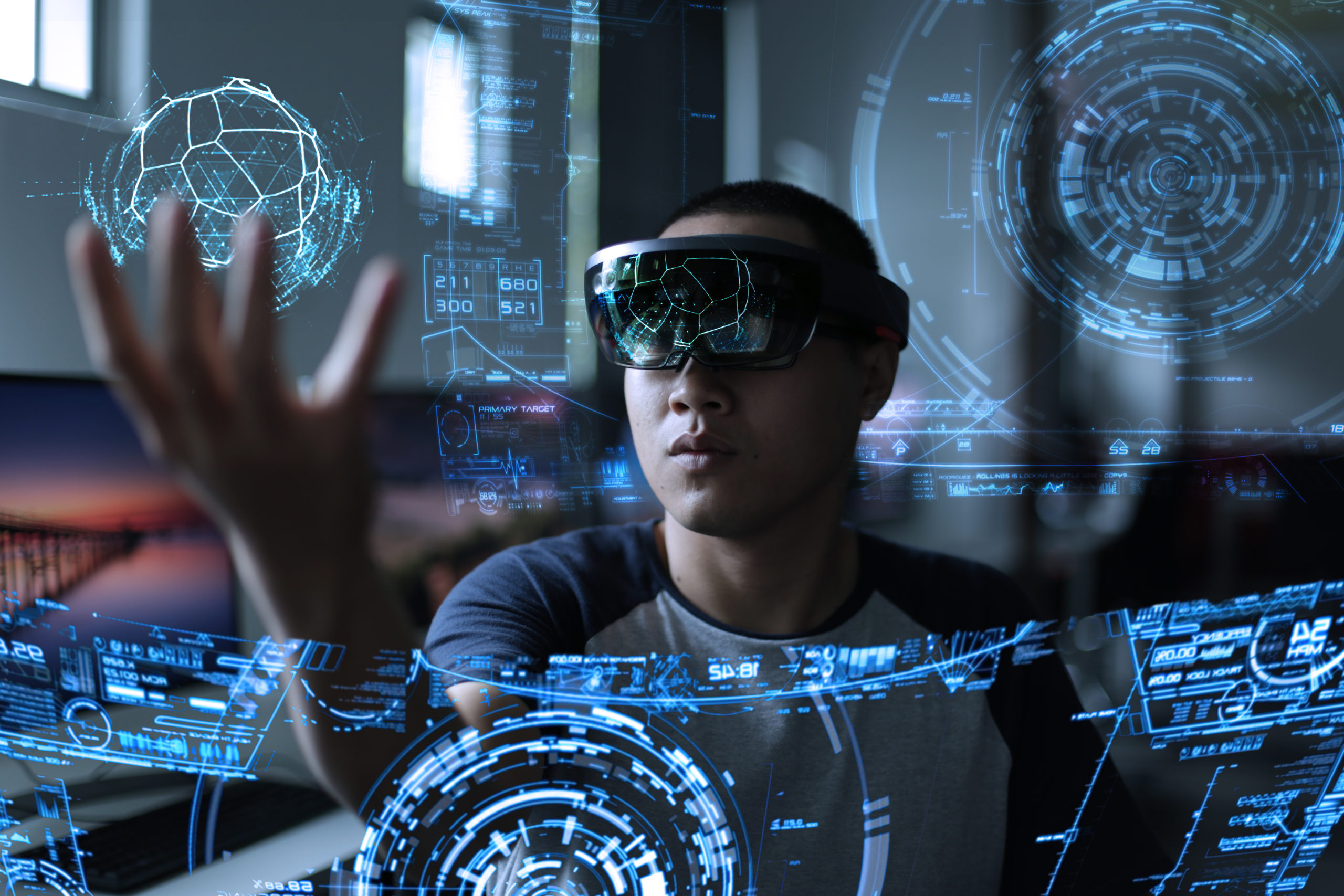
Improved Hardware And Displays
VR headsets now offer sharper images and wider views. Screens have higher resolution and faster refresh rates. This reduces blur and motion sickness. Lighter, more comfortable headsets allow longer play sessions. Better batteries extend use without frequent charging.
Enhanced Motion Tracking
Motion sensors have become more precise and faster. They track hand, body, and eye movements smoothly. This lets users interact naturally with VR environments. Inside-out tracking removes the need for extra cameras. This makes setup easier and VR more accessible.
Haptic Feedback Innovations
New haptic devices provide realistic touch feelings. Gloves and suits simulate textures and impacts. This adds a new layer of immersion. Vibrations and pressure signals match virtual actions. Haptic feedback helps users feel more connected to VR worlds.
Credit: www.optimum.com
Immersive Storytelling Techniques
Immersive storytelling in virtual reality (VR) is changing how stories are told. It places users inside the story world, making the experience more personal and real. This new approach helps users feel part of the narrative, not just observers. VR storytelling uses technology to make stories interactive and responsive to users’ actions. This creates deeper emotional connections and memorable experiences.
Interactive Narratives
Interactive narratives let users decide how the story unfolds. Choices made by users change the plot and outcomes. This approach increases engagement and makes each experience unique. Users feel more involved because their decisions matter. VR developers use branching storylines to offer multiple endings. This keeps users curious and eager to explore different paths. Interactive narratives blend gameplay and storytelling seamlessly.
Adaptive Content Experiences
Adaptive content changes based on users’ actions and preferences. It adjusts the story, environment, or characters in real time. This creates a personalized experience for each user. Adaptive VR content can respond to user emotions or behavior. For example, the story might become more intense if the user shows excitement. This technique helps maintain user interest and immersion. Adaptive experiences make virtual storytelling feel alive and dynamic.
Social Vr And Shared Experiences
Social VR and shared experiences are shaping the future of virtual reality entertainment. They allow people to connect in digital spaces beyond physical limits. Users can meet, chat, and enjoy activities together in a virtual world. These experiences create a sense of presence and community that feels real.
Technology is improving to make social VR more immersive and accessible. This opens new ways for friends and strangers to interact and share moments. The focus is on making virtual spaces feel natural and fun. Social VR is becoming a key part of how people use virtual reality for entertainment and connection.
Virtual Social Spaces
Virtual social spaces are places where users gather online in VR. These spaces can look like anything from a cozy room to a vast city. People can customize avatars and express themselves. The spaces support chatting, watching shows, or attending events together.
These environments encourage casual and meaningful interactions. They break down distance barriers and create new social opportunities. Virtual social spaces often host concerts, meetups, and art shows. They offer a shared experience that feels personal and engaging.
Collaborative Gaming
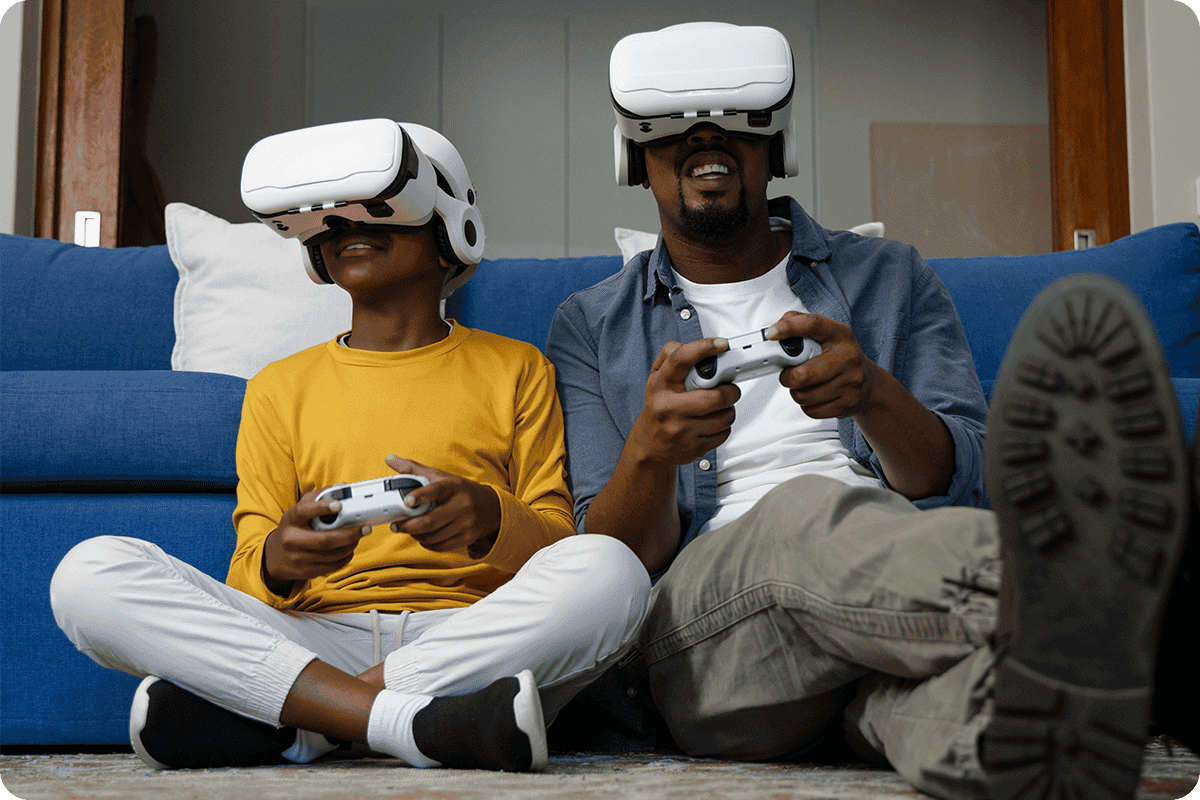
Collaborative gaming in VR lets players work together in a virtual world. Teams solve puzzles, complete missions, or build projects. This type of gaming promotes communication and teamwork.
Players feel like they are in the same room, even if far apart. Collaborative VR games enhance social bonds and create memorable moments. They add a new layer to multiplayer gaming by focusing on shared effort and fun.
Integration With Ai And Machine Learning
Virtual reality (VR) entertainment is evolving fast. AI and machine learning play a big role in this change. These technologies help create more immersive and interactive experiences. They learn from users and adapt the VR world to fit each person’s preferences. This makes VR more engaging and fun.
Personalized Content
AI analyzes user behavior to create unique VR experiences. It adjusts storylines, challenges, and visuals based on individual tastes. This means every user sees something different. Personalized content keeps users interested longer. It makes VR feel more real and meaningful.
Smart Npcs And Environments
Non-player characters (NPCs) in VR use AI to act smarter. They respond to user actions and learn over time. Environments also change based on player choices. This creates a living, breathing world. Smart NPCs and dynamic settings make VR feel alive and unpredictable.
Expanding Applications Beyond Gaming
Virtual reality is growing beyond just games. It now reaches many parts of daily life. People use VR for work, learning, and fun in new ways. These uses make VR more useful and exciting. The technology changes how we connect, explore, and understand the world around us.
Virtual Concerts And Events
VR lets people attend concerts without leaving home. Fans can enjoy music with others worldwide. The experience feels real with 3D sound and visuals. Events like festivals and shows become more accessible. VR creates a shared space for music lovers everywhere.
Education And Training
Schools and companies use VR to teach skills faster. Students can explore places and ideas they cannot visit. Workers practice tasks in safe virtual settings. VR helps learners remember lessons by doing, not just reading. This hands-on approach improves understanding and confidence.
Virtual Tourism
Travel grows with VR tours of famous sites. People explore cities, museums, and nature from home. It offers a chance to see far places with ease. VR tours can guide users step-by-step through landmarks. This method makes travel affordable and possible for many.
Credit: program-ace.com
Frequently Asked Questions
What Are The Newest Trends In Virtual Reality Entertainment?
Virtual reality is moving towards more realistic graphics and better motion tracking. This creates deeper and more immersive experiences for users.
How Will Vr Change Social Interactions In Entertainment?
VR will allow people to meet and interact in virtual spaces, making socializing online feel more natural and fun.
What Role Does Ai Play In Future Vr Experiences?
AI helps create smarter virtual characters and personalized experiences. It makes VR worlds more responsive and engaging.
Will Vr Entertainment Become More Affordable Soon?
Yes, technology advances and competition are lowering VR device prices. More people will be able to enjoy VR entertainment.
How Does Vr Affect Gaming And Storytelling?
VR makes games and stories more interactive and immersive. Players can feel like they are part of the action or plot.
Conclusion
Virtual reality entertainment is growing fast. New technology makes experiences more real and fun. People will enjoy more interactive games and movies. Social connections will improve through VR worlds. Costs will drop, making VR easier to get. Creativity will bring fresh ideas and stories.
The future of VR holds many surprises. Stay curious and watch this space closely. Exciting times are ahead for virtual reality fans.