
Imagine having a world of movies, shows, and music ready to play anytime you want. Streaming services have done just that—they changed the way you enjoy entertainment forever.
No more waiting for your favorite show to air or rushing to the store to buy DVDs. Now, everything is just a click away, tailored to your tastes and schedule. Curious about how this shift affects what you watch and how you watch it?
Keep reading to discover the surprising ways streaming has reshaped modern entertainment—and why it matters to you.
Rise Of Streaming Platforms
The rise of streaming platforms has reshaped how people enjoy entertainment. These services let users watch movies, shows, and videos anytime. No need to wait for scheduled TV programs or visit stores for DVDs. Streaming platforms brought convenience and choice directly to viewers’ homes.
Streaming platforms also changed what content is available. Viewers can explore many genres, languages, and styles. New creators get a chance to share their work worldwide. This shift opened the door to more diverse and fresh entertainment options.
Early Pioneers
Early streaming services started in the early 2000s. Platforms like YouTube allowed users to upload and watch videos freely. Netflix, once a DVD rental company, began online streaming in 2007. These pioneers proved streaming could reach large audiences easily. They built the foundation for today’s vast streaming industry.
Expansion Of Services
After the early success, many new platforms appeared. Services like Hulu, Amazon Prime Video, and Disney+ joined the market. They offered exclusive shows and movies to attract subscribers. Platforms also added features like downloads and offline viewing. This expansion gave viewers more control and options than ever before.
Shift In Viewing Habits
Streaming services have changed how people watch TV and movies. Traditional schedules no longer control viewers. People now choose what to watch and when to watch it. This freedom has shaped a new viewing culture.
With instant access to vast libraries, viewers expect convenience. This shift affects how content is created and consumed. The old way of waiting for episodes has faded. New habits focus on personal choice and control.
On-demand Culture
On-demand means watching shows or movies anytime. People skip ads and avoid waiting. This culture suits busy lifestyles and diverse tastes. Viewers pick what fits their mood and time. The result is more satisfaction and less frustration.
Streaming platforms offer content without schedules. This breaks the need to watch at specific times. On-demand viewing puts control in the hands of the audience. It changes how people plan their entertainment.
Binge-watching Phenomenon
Binge-watching means watching many episodes in one sitting. Streaming services release full seasons at once. This invites viewers to watch continuously without breaks. Binge sessions create deep connections with stories and characters.
People enjoy the freedom to watch quickly or slowly. Binge-watching can change daily routines and social habits. It also influences how shows are made, focusing on longer story arcs. This trend reflects the new power viewers hold.
Impact On Traditional Media
Streaming services have changed the way people watch and enjoy entertainment. This change has a big effect on traditional media. Old ways of watching TV and movies face new challenges. The shift affects how content is made, shared, and consumed.
Many viewers now prefer streaming over traditional media. This shift has caused traditional media to lose audience and revenue. It also pushes them to adapt or lose relevance in today’s fast-paced world.
Decline Of Cable Tv
Cable TV has lost many subscribers in recent years. More people choose streaming services for their shows and movies. Streaming offers flexibility and no long contracts. Viewers watch what they want, when they want. This freedom makes cable TV less popular. Cable companies face pressure to change their business models. Some now offer their own streaming options to keep viewers.
Changes In Movie Distribution
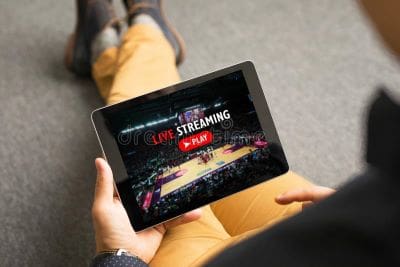
Movie distribution has shifted from theaters to online platforms. Streaming services release films directly on their sites. This allows viewers to watch new releases at home. Theaters see fewer visitors as a result. Studios also experiment with shorter windows between theater and streaming releases. This change affects how movies earn money and reach audiences. It also changes the traditional movie experience for many people.
Credit: stageandcinema.com
New Content Creation Models
Streaming services changed how creators make shows and movies. Traditional studios once controlled most content. Now, new models give creators more freedom. This shift impacts the types of stories told and who tells them.
These new models allow faster production. Creators can try fresh ideas without long waits. Streaming platforms often fund original projects directly. This support helps bring unique visions to life.
Original Programming
Streaming platforms invest heavily in original content. They produce shows and movies exclusive to their service. Originals attract subscribers and build brand identity. Creators enjoy creative control and fewer restrictions. This leads to innovative storytelling and fresh formats.
Diverse Storytelling
New content models encourage diverse voices and stories. Streaming services seek to reach global audiences. They highlight stories from different cultures and backgrounds. This variety broadens viewers’ perspectives. It also creates opportunities for underrepresented creators.
Future Trends In Streaming
Streaming services continue to evolve and shape entertainment. New trends will affect how audiences watch and interact with content. These changes will bring fresh opportunities for creators and viewers alike. Understanding these trends helps us see where streaming is headed next.
Interactive Experiences
Interactive content lets viewers choose story paths or outcomes. This type of experience creates deeper engagement with shows or movies. Viewers feel more involved and connected to what they watch. Streaming platforms are investing in new technology to support this. Expect more interactive series and films in the near future.
Global Market Growth
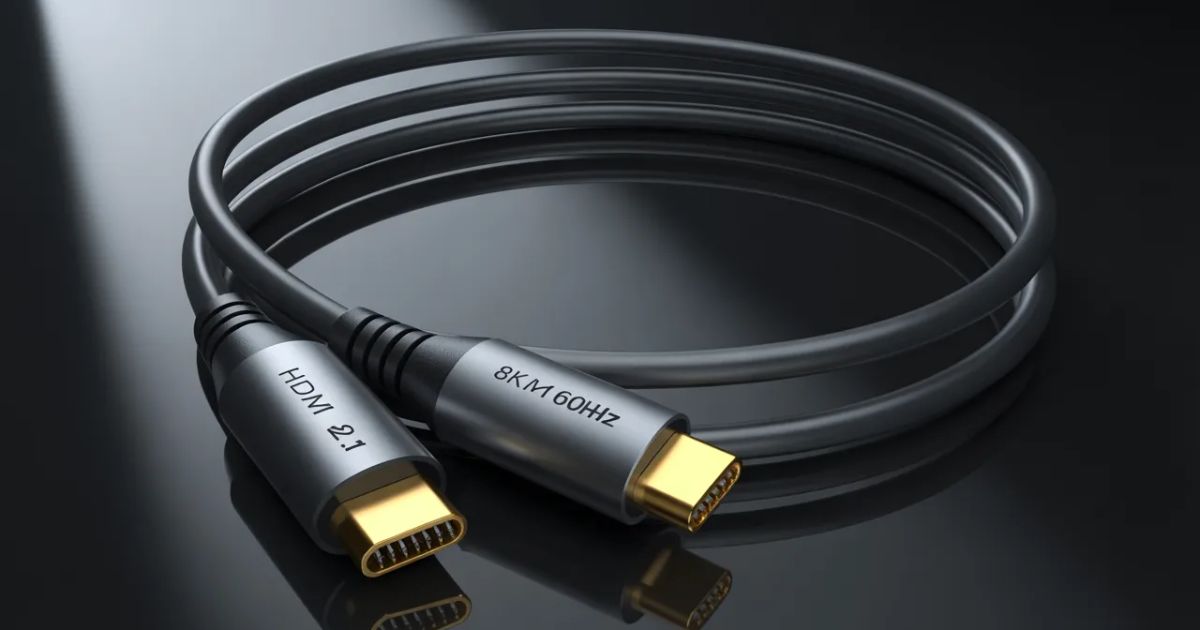
Streaming services are expanding worldwide rapidly. More people in different countries gain access to content online. This growth increases demand for diverse shows and films. Providers create content that appeals to local tastes and languages. Global access helps creators reach wider audiences than ever before.
Credit: digitalquil.com

Credit: shop.plume.com
Frequently Asked Questions
How Have Streaming Services Changed Tv Watching Habits?
Streaming services let viewers watch shows anytime, anywhere. This flexibility replaced traditional TV schedules and commercials. People now binge-watch entire series in one go.
Why Do Streaming Services Offer More Content Than Cable Tv?
Streaming platforms host vast libraries of movies and shows. They invest in original content and global titles. This variety appeals to different tastes and ages.
How Do Streaming Services Impact Movie Theaters?
Streaming services release films directly online, sometimes skipping theaters. This changes how people choose to watch new movies. It also affects theater attendance and profits.
What Role Do Streaming Services Play In Content Creation?
Streaming platforms fund diverse and unique stories. They give creators more freedom than traditional studios. This leads to fresh ideas and new voices in entertainment.
How Do Streaming Services Personalize User Experiences?
Streaming services use algorithms to suggest shows based on viewing habits. This helps users discover content they like faster. Personalization keeps viewers engaged longer.
Conclusion
Streaming services changed how people watch shows and movies. They made entertainment easy to access anytime. Viewers can now choose what to watch without waiting. This shift also brought new ways for creators to share stories. People enjoy more variety and control over their viewing.
The future of entertainment looks flexible and bright. Streaming is here to stay and keeps evolving. Simple, fast, and personal – that’s modern entertainment today.