
Last Updated on June 25, 2026
Are you torn between buying refurbished or new products? It’s a common dilemma that can affect your wallet, satisfaction, and even the environment.
Choosing the right option isn’t just about the price tag—it’s about getting the best value for your needs. You’ll discover the key differences, benefits, and potential risks of each choice. By the end, you’ll feel confident making a decision that fits your lifestyle and budget perfectly.
Keep reading to find out which option truly wins for you.
Cost Comparison
Cost plays a big role in choosing between refurbished and new products. Comparing prices helps you decide which option fits your budget best.
Understanding the cost differences can save money now and later. Let’s break down the costs into two parts: the initial price and long-term savings.
Initial Price Differences
Refurbished products usually cost less than new ones. They often come at 20% to 50% lower prices. This makes them attractive for buyers with tight budgets.
New products carry a higher price tag. This cost covers the latest features and a full warranty. Buyers pay more upfront for these benefits.
Long-term Savings
Refurbished items may need repairs sooner. This can add to overall costs. But some refurbished products come with limited warranties to reduce risks.
New products often last longer without issues. They also include full warranties, lowering repair expenses. This can save money over time.
Choosing between refurbished and new depends on how much you want to spend now and later. Weigh the initial price against potential future costs.

Credit: www.ebay.com
Quality And Performance
Quality and performance are key factors when choosing between refurbished and new products. Buyers want products that last and work well. Understanding these aspects helps make a smart choice.
Durability Of Refurbished Items
Refurbished items often undergo strict testing before resale. Experts fix any faults and replace broken parts. This process can extend the product’s life.
Some refurbished products come with warranties, ensuring durability. Still, they might show slight wear from previous use. This wear usually does not affect how well the item works.
Performance Expectations
New products deliver peak performance right out of the box. They have the latest features and no previous wear. Refurbished items may perform nearly as well.
Top refurbishers restore products to original settings and conditions. Some performance differences might exist, but many users find them acceptable. Testing and quality checks help keep performance high.
Warranty And Support
Warranty and support play a key role in choosing between refurbished and new products. They protect your purchase and give peace of mind. Understanding the differences in warranty coverage and customer service helps make a smart choice.
Coverage Options
New products often come with a full manufacturer’s warranty. This covers repairs or replacements for a set period. Refurbished items may have shorter warranties. Some sellers offer limited coverage or extended plans for extra cost. Check what parts and issues are covered. Know the length of the warranty before buying. This helps avoid unexpected repair costs later.
Customer Service Experience
New product buyers usually get direct support from the brand. This includes easy access to help and authorized repair centers. Refurbished products often rely on the seller’s customer service. Response times and support quality can vary. Look for sellers with good reviews and clear return policies. Good support can save time and frustration if problems arise.

Credit: www.fitnesssuperstore.com
Environmental Impact
Choosing between refurbished and new products affects the environment. Each option has a different impact on natural resources and pollution. Understanding these effects helps you make a smarter choice for the planet.
Sustainability Benefits
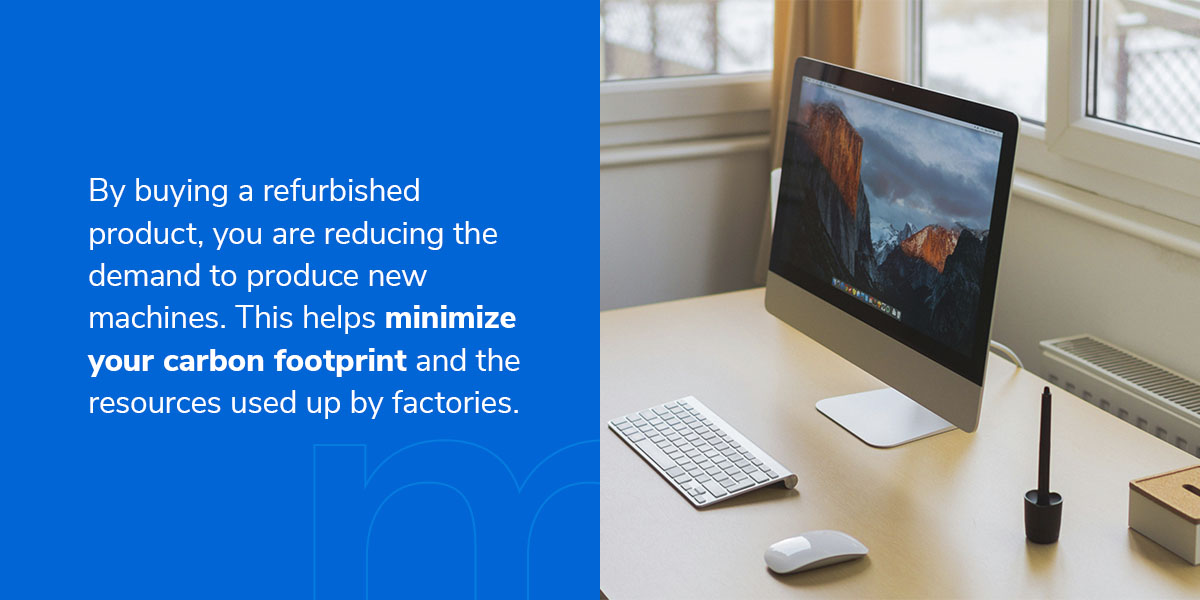
Refurbished products use fewer raw materials. They need less energy to make. This lowers carbon emissions during production. Buying refurbished helps save trees, water, and minerals. It supports a circular economy by giving products a second life.
New products require mining and manufacturing from scratch. This process consumes a lot of energy and water. It also releases greenhouse gases into the air. The environmental cost of new items is higher than refurbished ones.
Waste Reduction
Refurbished products keep items out of landfills. They reduce electronic and plastic waste. Fixing and reusing parts cuts down on trash. This helps prevent pollution from harmful chemicals in waste.
New products often add to waste when old items are thrown away. Many electronics contain toxic materials. These can harm soil and water if not disposed of properly. Choosing refurbished reduces this risk significantly.
Buying Tips
Buying products, whether new or refurbished, requires some care. Knowing where to buy and what to check can save money and avoid problems. These tips help you make a smart choice.
Where To Purchase
Choose stores with good reviews and clear return policies. Official brand stores often sell new and certified refurbished items. Trusted online marketplaces offer buyer protection. Avoid unknown sellers without a track record. Local stores let you see products before buying. Check if the seller offers a warranty for peace of mind.
What To Look For
Check the product condition description carefully. Look for warranty details and return options. Ask about any repairs or parts replaced in refurbished products. Verify the product’s accessories and packaging. Test the product if possible before paying. Confirm the product meets your needs and expectations. Clear information helps avoid surprises later.
Credit: www.macofalltrades.com
Frequently Asked Questions
What Are The Main Differences Between Refurbished And New Products?
New products come straight from the factory with full warranty. Refurbished items are used or returned, tested, and repaired before resale.
Is Buying Refurbished Products Safe And Reliable?
Yes, refurbished products are tested and fixed to meet quality standards. They often come with a limited warranty for extra protection.
How Much Money Can I Save On Refurbished Products?
Refurbished items usually cost 20-50% less than new ones. Savings depend on the product type and condition.
Do Refurbished Products Have The Same Warranty As New Items?
Refurbished products often have shorter warranties than new ones. Check the warranty terms before buying to understand coverage.
Which Option Is Better For The Environment: Refurbished Or New?
Refurbished products help reduce waste and lower environmental impact. Choosing refurbished supports recycling and resource conservation.
Conclusion
Choosing between refurbished and new products depends on your needs. Refurbished items often cost less and help save money. New products come with the latest features and full warranties. Consider how much you want to spend and how important the newest technology is.
Both options can offer good quality if you buy from trusted sellers. Think about what matters most to you before deciding. Either way, you can find a product that fits your budget and expectations.