

Last Updated on June 25, 2026
Have you ever grabbed something off the shelf without planning to buy it? That sudden urge to make a quick purchase is called impulse buying.
But why do you do it? What goes on in your mind when you reach for that extra snack or gadget? Understanding the psychology behind impulse buying can help you take control of your spending and make smarter choices. Keep reading to discover the surprising triggers that influence your decisions and how your brain plays a key role in those unplanned buys.
This insight could change the way you shop forever.

Credit: www.youtube.com
Triggers Of Impulse Buying
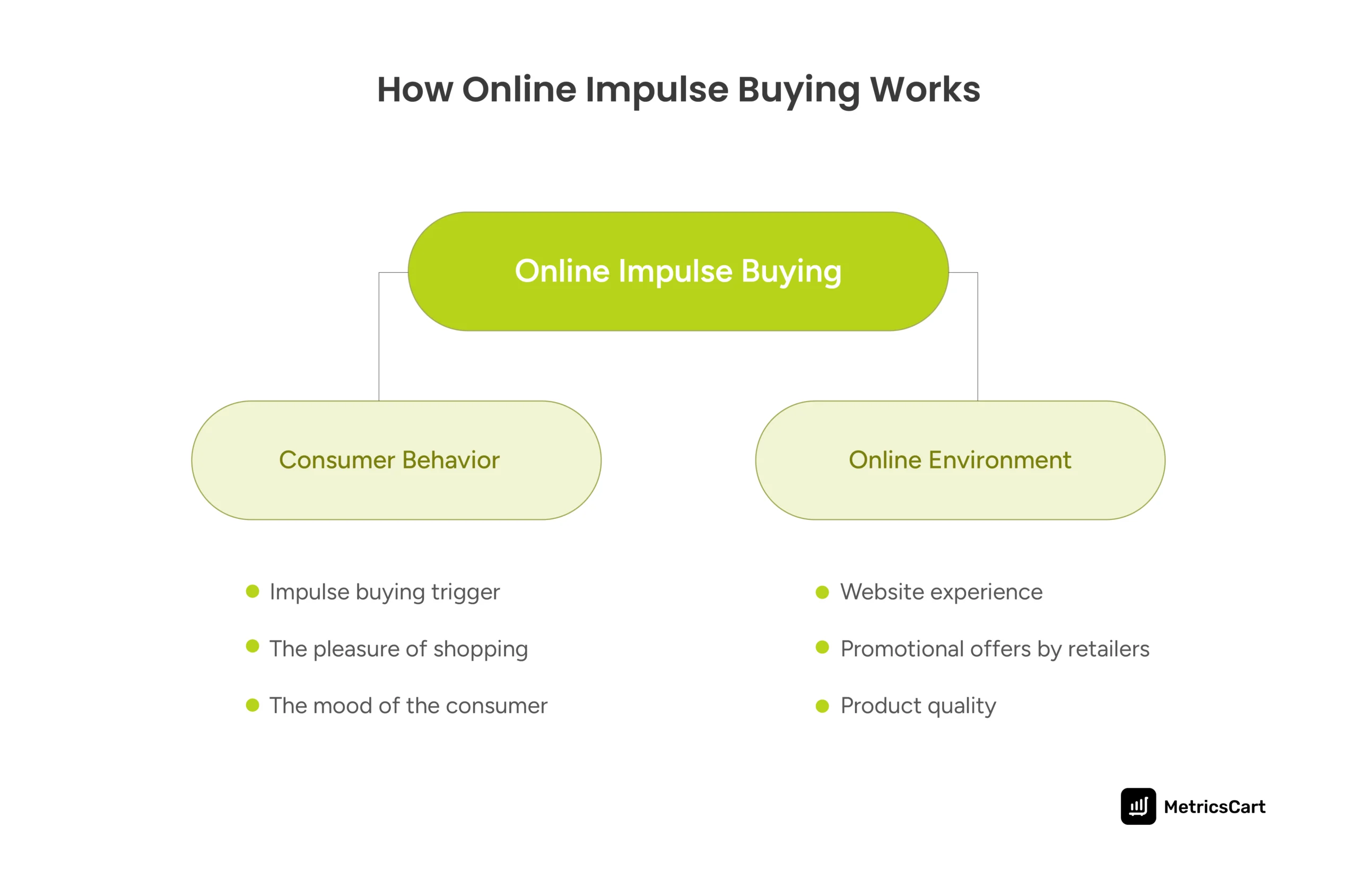
Impulse buying happens fast. It is often a sudden decision without much thought. Several triggers push people to buy on impulse. These triggers come from feelings, surroundings, and social pressure. Understanding these can help us see why impulse buying happens.
Emotional Influences
Feelings have a strong role in impulse buying. Stress, excitement, or sadness can lead to quick purchases. People may buy to feel better or reward themselves. Emotional highs or lows create a desire to shop without planning. This is why stores use bright colors and music to affect mood.
Environmental Cues
The shopping environment can trigger impulse buys. Attractive displays and special offers catch attention. Limited-time deals create a sense of urgency. The layout of a store guides people to certain items. Even scents and sounds influence buying decisions.
Social Factors
Social settings affect impulse buying too. Seeing others shop can encourage quick purchases. Recommendations from friends or influencers increase trust in products. Social media ads target users based on their interests. This creates a feeling that buying is popular or necessary.
Role Of Brain Chemistry
The role of brain chemistry is key to understanding impulse buying. Our brain uses chemicals to control how we feel and act. These chemicals affect choices and behavior. Impulse buying happens when brain chemistry influences sudden, unplanned purchases.
Brain chemicals can create feelings of pleasure and reward. They also manage self-control and decision-making. Studying these chemicals helps explain why people buy on impulse.
Dopamine And Reward System
Dopamine is a chemical linked to pleasure and reward. When you see something you want, dopamine levels rise. This makes buying feel exciting and satisfying. The brain remembers this good feeling and wants it again. This desire can lead to quick, unplanned purchases.
The reward system encourages behavior that feels good. Buying something new triggers this system. It releases dopamine, creating a sense of happiness. This cycle can push people to buy without thinking.
Impulse Control Mechanisms
Impulse control depends on certain brain areas like the prefrontal cortex. This part helps plan and stop quick decisions. If it is weak or tired, control drops. People find it harder to say no to urges.
Stress and fatigue reduce impulse control. This makes impulse buying more likely. Strengthening self-control can help reduce impulsive shopping. Techniques like mindfulness and rest support better decision-making.
Impact Of Marketing Strategies
Marketing strategies play a big role in making people buy things quickly. They affect how shoppers feel and think about products. These strategies push customers to act fast, often without much thought.
Marketers use special tricks to catch attention and create a sense of urgency. These tactics tap into emotions and the desire to get a good deal. The result is impulse buying, which boosts sales for stores.
Limited-time Offers
Limited-time offers create a fear of missing out. Shoppers see a short deadline and feel pressure to buy. This urgency makes people buy products on impulse. The clock ticking makes shoppers worry they might lose a good deal.
Sales, discounts, and flash deals often use this strategy. It works well because people want to act fast. They do not want to lose the chance to save money or get something special.
Product Placement
Product placement puts items in places where shoppers see them often. Stores put popular items at eye level or near checkouts. This visibility makes customers notice products more.
When shoppers see products while waiting or walking, they think about buying. Placing items with other related goods also encourages extra purchases. This method tricks the brain into wanting more.
Advertising Tactics
Advertising uses images, sounds, and words to attract attention. Ads often show happy people using the product. This makes shoppers believe buying will bring joy or success.
Repetition of ads helps products stay in the mind. Catchy slogans and bright colors make ads memorable. These tactics create a desire to buy now rather than later.
Personality Traits And Impulse Buying
Personality traits play a big role in impulse buying. Certain traits make people more likely to buy without thinking. Understanding these traits helps explain why some people shop on impulse more often.
People differ in how they react to urges and emotions. These differences affect their shopping habits. Some traits can increase the chances of impulse purchases.
Impulsivity Levels
Impulsivity is the tendency to act quickly without thinking. People with high impulsivity often make fast buying decisions. They focus on immediate rewards rather than long-term effects. This trait leads to more impulse buys, especially in exciting situations.
Emotional Regulation
Emotional regulation means controlling feelings and reactions. People with weak emotional regulation buy to feel better. Shopping can reduce stress or sadness temporarily. Those who struggle with emotions tend to shop impulsively to cope with feelings.
Self-control Variations
Self-control is the ability to resist temptations. People with low self-control find it hard to avoid impulse buys. They may plan to save money but fail in the moment. Strong self-control helps people pause and think before spending.
Consequences Of Impulse Buying
Impulse buying can feel exciting at first. It gives a quick thrill and the joy of a new item. Yet, these sudden choices often bring unwanted results. Understanding the consequences helps us make smarter decisions.
Financial Impact
Impulse buying can harm your budget. Small purchases add up quickly. You may spend money meant for bills or savings. This can cause stress and debt. Over time, your financial health may suffer.
Emotional Effects
Impulse buying can lead to mixed feelings. The initial excitement fades fast. You might feel guilt or regret afterward. This cycle can harm your self-esteem. It can also increase anxiety and sadness.
Behavioral Patterns
Impulse buying may become a habit. Repeating this behavior can lead to compulsive shopping. It often masks deeper emotional needs. This pattern can be hard to break. Awareness is key to changing these habits.
Credit: metricscart.com
Credit: joinfingrad.com
Frequently Asked Questions
What Triggers Impulse Buying In Consumers’ Minds?
Impulse buying is often triggered by emotions like excitement or stress. Visual cues, such as bright colors and sales signs, also play a big role.
How Does Marketing Influence Impulse Purchases?
Marketing creates a sense of urgency and scarcity that pushes people to buy quickly. Limited-time offers and attractive displays catch attention fast.
Can Impulse Buying Be Controlled Or Avoided?
Yes, setting a budget and making shopping lists can help control impulse buys. Avoiding distractions like phones also reduces temptation.
Why Do People Feel Guilty After Impulse Buying?
People feel guilty because impulse buys often don’t match their real needs. This can lead to regret over wasted money.
Does Impulse Buying Affect Long-term Financial Health?
Impulse buying can hurt long-term finances if it happens often. It leads to overspending and less money saved for important goals.
Conclusion
Impulse buying happens because our mind reacts quickly to feelings. It often ignores logic and plans. Stores use colors, music, and offers to trigger quick choices. Understanding this helps control spending better. Next time you shop, pause and think before buying.
Small steps can prevent regret later. Your wallet and mind will thank you. Awareness is the first step toward smarter shopping habits. Keep these ideas in mind to shop with more care.