Arctic Website Your Trusted Source for Smart Living
Last Updated on July 9, 2026
Are you ready to bring a bit of nature into your home but don’t know where to start? Taking care of indoor plants can seem tricky at first, but with the right tips, you’ll find it easier than you think.
Imagine your space filled with fresh, green life that brightens your mood and purifies the air around you. This guide is made just for you—simple steps and clear advice to help your plants grow healthy and strong. Keep reading, and soon you’ll feel confident turning your home into a green oasis.
Choosing The Right Plants
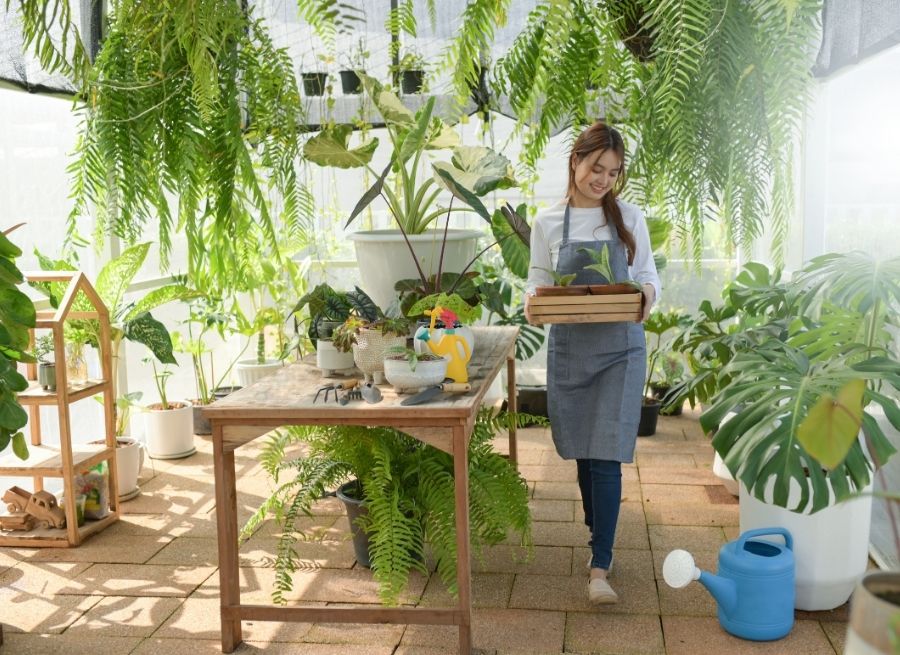
Choosing the right plants is the first step to successful indoor gardening. The right plant fits your home, lifestyle, and care ability. Picking plants that match your space and routine makes plant care easier and more fun. Focus on plants that thrive in your conditions and need less work.
Low-maintenance Options
Start with plants that need little attention. Snake plants, pothos, and spider plants are great choices. They survive with less water and light. These plants tolerate some neglect and still look good. Low-maintenance plants reduce stress for beginners.
Light Requirements
Check the light in your home before choosing plants. Some plants need bright light, while others do well in shade. Place sun-loving plants near windows. Low-light plants fit darker corners. Matching plants to light prevents wilting and keeps them healthy.
Size And Space Considerations
Think about space before buying plants. Small plants suit desks and shelves. Larger plants work better on floors or in corners. Choose plants that fit your room size and shape. Avoid plants that grow too big for your space.
Essential Tools And Supplies
Starting indoor plants needs the right tools and supplies. These help plants grow strong and healthy. You do not need many things, just a few basics. These tools make caring for plants easier and more fun.
Potting Mix And Fertilizers
Good potting mix gives plants space to breathe and drink water. It must drain well but keep moisture. Choose a mix made for indoor plants. Fertilizers feed plants with extra nutrients. Use a balanced fertilizer every few weeks. This keeps plants green and growing.
Watering Tools
A watering can with a narrow spout helps control water flow. It stops overwatering and spills. Spray bottles are good for misting leaves. This raises humidity for tropical plants. A moisture meter checks soil wetness. This tool prevents watering too much or too little.
Pruning And Maintenance Tools
Sharp scissors or pruning shears cut dead or yellow leaves. This helps plants look neat and stay healthy. Tweezers remove small debris or pests. Gloves protect hands from dirt and thorns. A small brush cleans dust off leaves. Clean leaves absorb more light and stay healthy.
Watering Basics
Watering is one of the most important parts of indoor plant care. Giving the right amount of water helps plants grow strong and healthy. Too much or too little water can harm them. Knowing how to water your plants properly is key to keeping them alive and thriving.
How Often To Water
Different plants need water at different times. Some like to stay a little dry, while others need more moisture. Check the soil before watering. If the top inch feels dry, it is time to water. Most indoor plants need watering once a week. Some may need water more or less often, depending on the type and environment.
Signs Of Overwatering And Underwatering
Overwatering can cause leaves to turn yellow or drop off. The soil may smell bad or feel soggy. Roots can rot if the plant stays too wet. Underwatering makes leaves dry, brown, or crispy. The plant may look wilted or weak. Watch your plant’s leaves and soil to spot these signs early.
Best Watering Practices
Use room temperature water for your plants. Water evenly around the soil, not just in one spot. Avoid letting water sit in the plant’s saucer for too long. Drain any extra water to stop root rot. Water plants in the morning to help them absorb moisture throughout the day.
Lighting Needs
Lighting is one of the most important parts of indoor plant care. Plants need light to make food and grow healthy leaves. Without enough light, plants become weak and may stop growing. Understanding your plant’s lighting needs helps you keep it alive and thriving.
Natural Vs Artificial Light
Natural light comes from the sun. It is the best source for most plants. Sunlight varies during the day and across seasons. South-facing windows usually get the most light. North-facing windows get the least.
Artificial light means using lamps or bulbs. It is useful if natural light is not enough. Special grow lights can provide the right light for plants. Regular household bulbs often do not work well for plants.
Positioning Plants For Optimal Growth
Place plants where they get enough light but not too much. Some plants like bright, direct sunlight. Others prefer indirect or low light. Watch the leaves for signs of too much light, like browning or curling. Move plants closer to windows if they look weak or stretch out.
Using Grow Lights
Grow lights help plants grow indoors with little natural light. They come in different types like LED, fluorescent, and incandescent. LED grow lights use less energy and last longer. Place grow lights about 6 to 12 inches above plants. Keep the lights on for 12 to 16 hours a day for best results.
Temperature And Humidity
Temperature and humidity play a big role in indoor plant health. Plants need the right warmth and moisture to grow strong and stay green. Each type of plant has its own needs. Knowing these needs helps plants thrive indoors.
Too much heat or cold can stress plants. Dry air can make leaves dry and brown. Too much moisture can cause root problems. Balancing temperature and humidity makes plants happier.
Ideal Conditions For Common Plants
Most indoor plants like temperatures between 65°F and 75°F. Tropical plants such as pothos and ferns prefer warmer conditions. Succulents and cacti do well in slightly cooler, drier air. Avoid sudden temperature changes near windows or doors. This protects leaves and roots from shock.
Managing Indoor Climate
Keep plants away from heaters and air conditioners. These devices can dry the air or cause cold drafts. Place plants in rooms with steady temperature. Use a thermometer to check the room’s warmth. Adjust placement to find the best spot for each plant.
Using Humidifiers And Misters
Humidifiers add moisture to dry indoor air. This helps plants that need more humidity, like orchids and ferns. Misting leaves with water can also raise humidity around the plant. Use a spray bottle to mist plants daily, but avoid soaking leaves. Good airflow stops mold and pests from growing.
Soil And Repotting
Soil and repotting are key parts of indoor plant care. Healthy soil helps plants grow strong roots and take in water and nutrients. Repotting gives plants more space to grow and refreshes the soil. Both steps keep plants happy and thriving inside your home.
Choosing The Right Soil Mix
Different plants need different soil types. Some like soil that holds water well. Others need soil that drains fast. Use a mix made for indoor plants or succulents, depending on your plant. Look for soil that is light and fluffy. It should have good air flow to the roots. Avoid heavy garden soil that can hold too much water.
When And How To Repot
Repot plants every 1 to 2 years. Signs include roots growing out of the pot or slow growth. Choose a pot one size bigger than the old one. Gently remove the plant and shake off old soil. Place it in the new pot with fresh soil. Water the plant lightly to help it settle in.
Preventing Root Problems
Root problems happen from too much water or poor soil. Overwatering can cause roots to rot. Ensure pots have drainage holes to let water out. Use soil that dries out between watering. Check roots during repotting. Healthy roots are white and firm. Remove any black or mushy roots to keep the plant healthy.
Pest Control
Pests can harm indoor plants quickly. They feed on leaves, stems, and roots. This damage can make plants weak and unhealthy. Spotting pests early helps stop them from spreading. Good pest control keeps plants green and strong.
Common Indoor Plant Pests
Spider mites are tiny and create fine webs. They suck plant juices, causing leaves to yellow. Aphids are soft, small bugs that cluster on new growth. They leave sticky residue and deform leaves. Mealybugs look like small cotton balls. They hide in leaf joints and stems. Scale insects appear as small bumps on stems and leaves. They also feed on plant sap.
Natural And Chemical Treatments
Soap sprays can kill many pests without harming plants. Neem oil works as a natural insecticide and repellent. Rubbing alcohol on a cotton swab removes mealybugs and scales. For severe infestations, use insecticidal sprays made for houseplants. Follow label instructions carefully to protect plants and people. Avoid harsh chemicals that can damage your plant or indoor air.
Preventive Measures
Inspect new plants before bringing them inside. Quarantine new plants for a week to watch for pests. Keep leaves clean by wiping them with a damp cloth. Avoid overwatering, as wet soil attracts pests. Place plants where air circulates well to reduce humidity. Healthy plants resist pests better than weak ones.
Fertilizing Tips
Fertilizing indoor plants helps them grow strong and healthy. Plants get nutrients from soil, but indoor soil can lose its richness over time. Fertilizers add important nutrients back to the soil. Knowing how to fertilize properly can make your plants bloom and thrive.
Types Of Fertilizers
There are three main types of fertilizers: liquid, granular, and slow-release. Liquid fertilizers mix with water and feed plants quickly. Granular fertilizers are small pellets you sprinkle on soil. Slow-release fertilizers give nutrients over weeks or months. Choose a type that fits your plant’s needs and your care routine.
Frequency And Amount
Fertilize most indoor plants every 4 to 6 weeks during growing season. Use less fertilizer in winter because plants grow slower. Always follow package instructions for the right amount. Too much fertilizer can harm plants. It may burn roots or cause leaf problems.
Signs Your Plant Needs Nutrients
Watch for yellowing leaves or slow growth. Leaves may look pale or drop off. Plants might not bloom or produce new leaves. These signs show a lack of nutrients. Fertilizing can help fix these problems and bring life back to your plants.
Pruning And Grooming
Pruning and grooming are key parts of indoor plant care. These tasks keep your plants healthy and looking their best. Regular attention helps plants grow strong and stay vibrant. Simple steps can prevent problems like disease or pests. Let’s explore how to prune and groom your indoor plants properly.
Removing Dead Or Yellow Leaves
Dead or yellow leaves take energy away from healthy parts. Remove these leaves by cutting them close to the stem. Use clean scissors or pruning shears for a neat cut. This helps the plant focus on new growth. It also improves air flow around the plant, reducing disease risk.
Shaping Your Plants
Shaping controls the size and form of your plant. Trim overgrown branches or stems to keep a balanced shape. Cut just above a leaf or node to encourage branching. Avoid removing more than one-third of the plant at once. Shaped plants look tidy and fit well in your space.
Encouraging New Growth
Pruning stimulates new leaves and stems to grow. Pinch off the tips of young shoots to promote bushier growth. This makes the plant fuller and healthier. Regular grooming keeps plants active and vibrant. It also helps them adapt to indoor conditions better.
Troubleshooting Common Issues
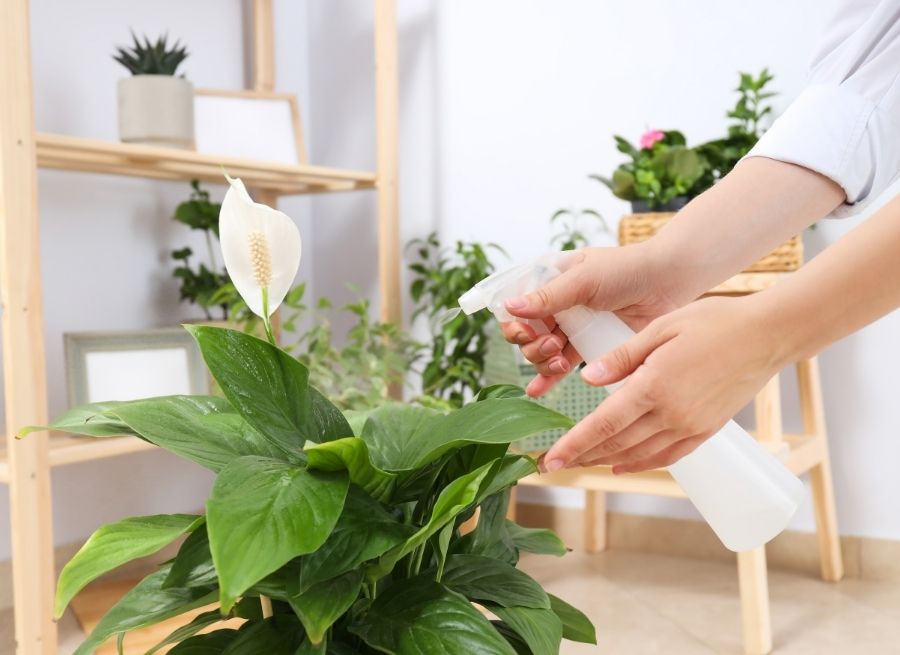
Indoor plants bring life and freshness to any space. Sometimes, plants show signs of stress. Knowing how to fix common problems helps keep plants healthy. Troubleshooting issues early prevents damage and saves your plant.
Yellowing Leaves
Yellow leaves often mean too much water. Plants need water, but overwatering causes root problems. Check soil moisture before watering again. Leaves can yellow if plants lack nutrients. Use a balanced fertilizer to help. Poor light also causes yellow leaves. Move plants closer to a window or use grow lights.
Drooping And Wilting
Drooping leaves mean plants need water. Check soil dryness by touching the soil surface. Water deeply if dry. Wilting can also happen from too much water. Roots may rot and fail to take water. Adjust watering habits carefully. Temperature stress causes drooping too. Keep plants away from cold drafts or hot vents.
Root Rot And Other Diseases
Root rot happens with excess moisture and poor drainage. Roots turn black and mushy. Remove affected roots and repot the plant. Use fresh, well-draining soil. Fungus and pests cause other diseases. Look for spots, mold, or sticky residue on leaves. Treat with natural insecticides or remove damaged parts. Clean pots and tools regularly to prevent spread.
Frequently Asked Questions
How Often Should I Water Indoor Plants?
Water indoor plants when the top inch of soil feels dry. Overwatering can cause root rot. Most plants need watering once a week, but this varies by species and environment. Always check soil moisture before watering to keep plants healthy.
What Is The Best Lighting For Indoor Plants?
Most indoor plants thrive in bright, indirect sunlight. Avoid direct sunlight as it can scorch leaves. Low-light plants can survive in shaded areas. Position plants near windows or use grow lights if natural light is insufficient.
How Do I Prevent Pests On Indoor Plants?
Inspect plants regularly for pests like aphids or spider mites. Use insecticidal soap or neem oil as natural treatments. Keep plants clean and remove dead leaves. Proper watering and good air circulation also reduce pest problems.
What Type Of Soil Is Best For Indoor Plants?
Use well-draining potting soil designed for indoor plants. Avoid garden soil as it can compact and hold too much moisture. Adding perlite or sand improves drainage. Good soil ensures roots get enough oxygen and prevents waterlogging.
Conclusion
Caring for indoor plants can bring joy and fresh air to your home. Start with simple steps like watering and sunlight. Watch your plants grow and learn from each experience. Small changes make a big difference over time. Keep patience and enjoy the process.
Indoor plants brighten your space and boost your mood. Try different plants to find what suits you best. Take care daily, and your plants will thrive. Growing plants indoors is a fun and rewarding hobby.