
Last Updated on June 25, 2026
Are you ready to make your shopping habits kinder to the planet without giving up style or convenience? Buying more sustainably isn’t just a trend—it’s a powerful way you can protect the environment every time you shop.
Imagine feeling confident that your choices help reduce waste, save energy, and support ethical businesses. This guide will show you simple, practical steps to shop eco-friendly, so you can make a real difference with every purchase. Keep reading to discover how easy it is to transform your shopping routine and join the movement toward a greener future.
Credit: svdpla.org
Benefits Of Eco-friendly Shopping
Eco-friendly shopping offers many benefits for people and the planet. Choosing sustainable products helps reduce waste and pollution. It supports fair wages and safe working conditions for workers. Buying eco-friendly items can also save money over time.
Small changes in shopping habits can lead to big positive impacts. Understanding these benefits encourages more people to shop sustainably.
Environmental Protection
Eco-friendly shopping lowers carbon footprints. It reduces plastic use and waste in landfills. Sustainable products use fewer natural resources. This helps protect forests, oceans, and wildlife.
Health Benefits
Natural and organic products contain fewer harmful chemicals. They are safer for your skin and body. Eating organic food reduces exposure to pesticides. Cleaner products lead to a healthier lifestyle.
Economic Support
Buying from eco-friendly brands supports green businesses. It promotes local farmers and artisans. This creates jobs and strengthens communities. Sustainable shopping encourages ethical business practices.
Long-term Savings
Durable, reusable products last longer than cheap alternatives. They reduce the need to buy replacements. Less waste lowers disposal costs. Sustainable choices save money in the long run.
Choosing Sustainable Materials
Choosing sustainable materials is a key step in eco-friendly shopping. These materials reduce harm to the environment. They use less water, energy, and chemicals. Buying products made from sustainable materials supports better farming and manufacturing methods.
Many common materials have sustainable alternatives. These choices help cut pollution and waste. Knowing which materials to pick can make your shopping more eco-friendly.
Understanding Natural Fibers
Natural fibers come from plants or animals. Cotton, linen, wool, and hemp are examples. Organic cotton grows without harmful pesticides. Hemp uses less water and grows quickly. Wool is renewable and biodegradable. Choose natural fibers over synthetic ones to help the planet.
Exploring Recycled Materials
Recycled materials reuse waste to create new products. Recycled polyester and nylon reduce plastic pollution. Buying recycled goods keeps plastic and fabric out of landfills. These materials save energy compared to making new ones. Look for products labeled as made from recycled content.
Considering Biodegradable Options
Biodegradable materials break down naturally in the environment. Bamboo and cork are good examples. They grow fast and need few chemicals. Products made from these materials do not add to landfill waste. Choosing biodegradable options lowers your ecological footprint.
Checking Certifications For Sustainability
Certifications prove a material is eco-friendly. Look for labels like GOTS, OEKO-TEX, or FSC. These marks ensure fair practices and safe materials. Certifications help avoid harmful chemicals and unfair labor. Always check for trusted certification when buying sustainable goods.
Supporting Ethical Brands
Supporting ethical brands helps protect people and the planet. These brands focus on fair treatment of workers and use eco-friendly materials. Choosing them reduces harm to the environment and supports better working conditions.
Ethical brands often share their story openly. They show where products come from and how they are made. This transparency builds trust and helps you make better choices.
Identifying Ethical Brands
Look for certifications like Fair Trade or B Corp. These labels prove a brand meets social and environmental standards. Check brand websites for information on their practices and values.
Benefits Of Buying From Ethical Brands
Ethical brands reduce pollution and waste. They pay fair wages and ensure safe workplaces. Your purchase supports communities and encourages responsible business.
Challenges With Ethical Shopping
Ethical products can cost more due to fair pay and quality materials. Some brands lack clear information. Patience and research help find trustworthy options.

Credit: linkretail.com
Reducing Waste While Shopping
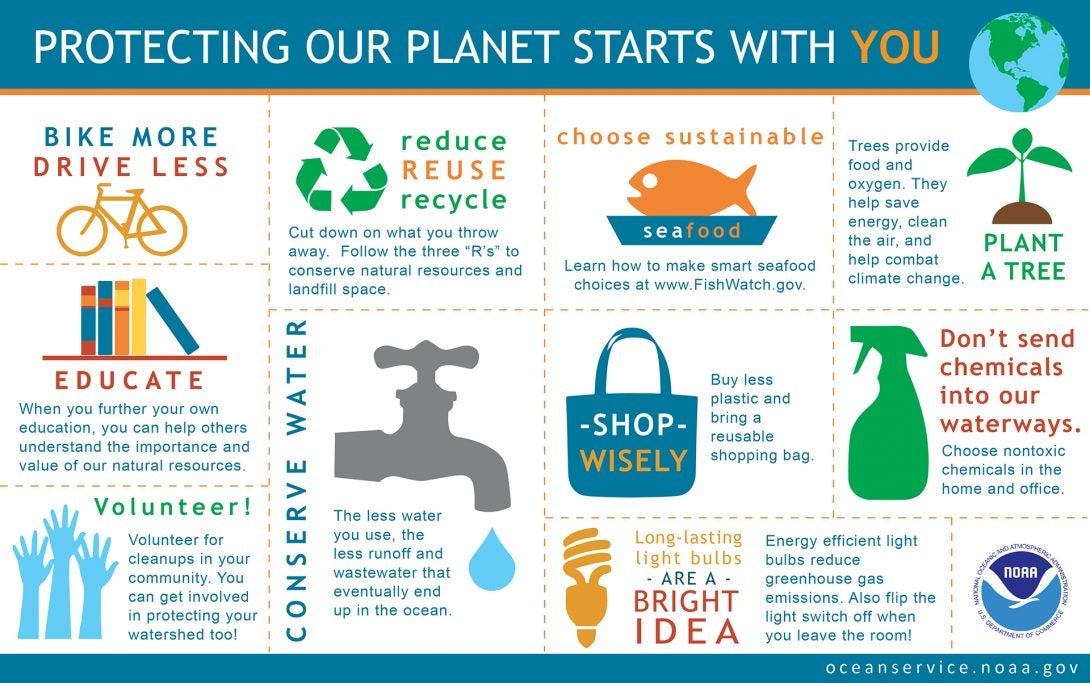
Reducing waste while shopping helps protect the environment and saves money. Simple changes in shopping habits can cut down the trash we create every day. Small steps add up to big differences over time.
Use Reusable Bags And Containers
Carry reusable bags instead of plastic ones. Cloth or sturdy bags last longer and reduce plastic waste. Bring your own containers for bulk items like grains and nuts. This avoids single-use packaging and keeps food fresh.
Buy Loose Or Bulk Items
Choose loose fruits and vegetables instead of pre-packaged options. Bulk sections let you buy only what you need. This reduces packaging and food waste. Use your own bags or containers to carry these items home.
Avoid Single-use Plastics
Say no to plastic straws, cutlery, and cups. Choose products with less plastic packaging. Look for paper, glass, or metal alternatives. These materials break down faster and do less harm to nature.
Plan Your Shopping List
Make a list before shopping to avoid buying extra items. Stick to the list to reduce impulse buys. This helps prevent food waste and clutter at home. It also saves time and money.
Smart Shopping Habits For Sustainability
Smart shopping habits help reduce waste and save resources. These habits guide us to buy only what we need. Making thoughtful choices protects the planet and supports ethical businesses. Small changes in shopping routines create big impacts over time.
Prioritize Quality Over Quantity
Choose items that last longer. Durable products reduce the need for frequent replacements. This lowers waste and saves money in the long run. Look for strong materials and good craftsmanship. Avoid cheap products that break quickly.
Buy Local And Seasonal Products
Local goods travel less, reducing pollution. Seasonal items require fewer resources to grow. Support neighborhood shops and farmers. This helps the local economy and cuts carbon footprints. Fresh products also taste better and contain fewer chemicals.
Use Reusable Bags And Containers
Bring your own bags to the store. Reusable bags reduce plastic waste significantly. Carry containers for bulk or fresh items. This practice lowers packaging waste and helps the environment. Keep bags and containers clean and ready.
Check Labels For Sustainable Certifications
Look for labels that show eco-friendly practices. Certifications like Fair Trade or Organic matter. These labels ensure products are made with care for people and planet. They help shoppers make informed choices. Avoid items without clear sustainability information.
Credit: wellnesscenter.uic.edu
Frequently Asked Questions
What Are The Best Materials For Eco-friendly Shopping Bags?
Reusable bags made from cotton, jute, or recycled plastic are best. These materials last longer and reduce plastic waste.
How Can I Identify Sustainable Products In Stores?
Look for labels like organic, fair trade, or recycled materials. These show the product was made with care for the environment.
Why Is Buying Local Produce More Sustainable?
Local produce travels shorter distances, cutting down on pollution. It also supports nearby farmers and the local economy.
How Does Packaging Affect A Product’s Environmental Impact?
Less packaging means less waste and pollution. Choose products with minimal or recyclable packaging to help reduce trash.
Can Shopping Secondhand Help The Environment?
Yes, buying used items lowers waste and saves resources. It extends the life of products and reduces demand for new goods.
Conclusion
Choosing eco-friendly products helps protect our planet. Small changes in shopping habits add up over time. Support brands that care about the environment. Think about the impact of what you buy. Every sustainable choice makes a difference. Start with easy swaps and learn as you go.
Together, we can build a greener future. It’s not perfect, but it’s progress. Keep trying, and encourage others to do the same. Your efforts matter more than you think.