

Last Updated on June 25, 2026
When you shop online, product ratings can feel like a quick way to decide what to buy. But do you really know what those stars and numbers mean?
Not all ratings tell the full story, and some can even mislead you. If you want to make smarter choices and avoid buyer’s remorse, it’s important to understand what to look for beyond just the average score. You’ll learn how to read product ratings like a pro so you can pick the best items with confidence every time.
Keep reading—your next great purchase depends on it.
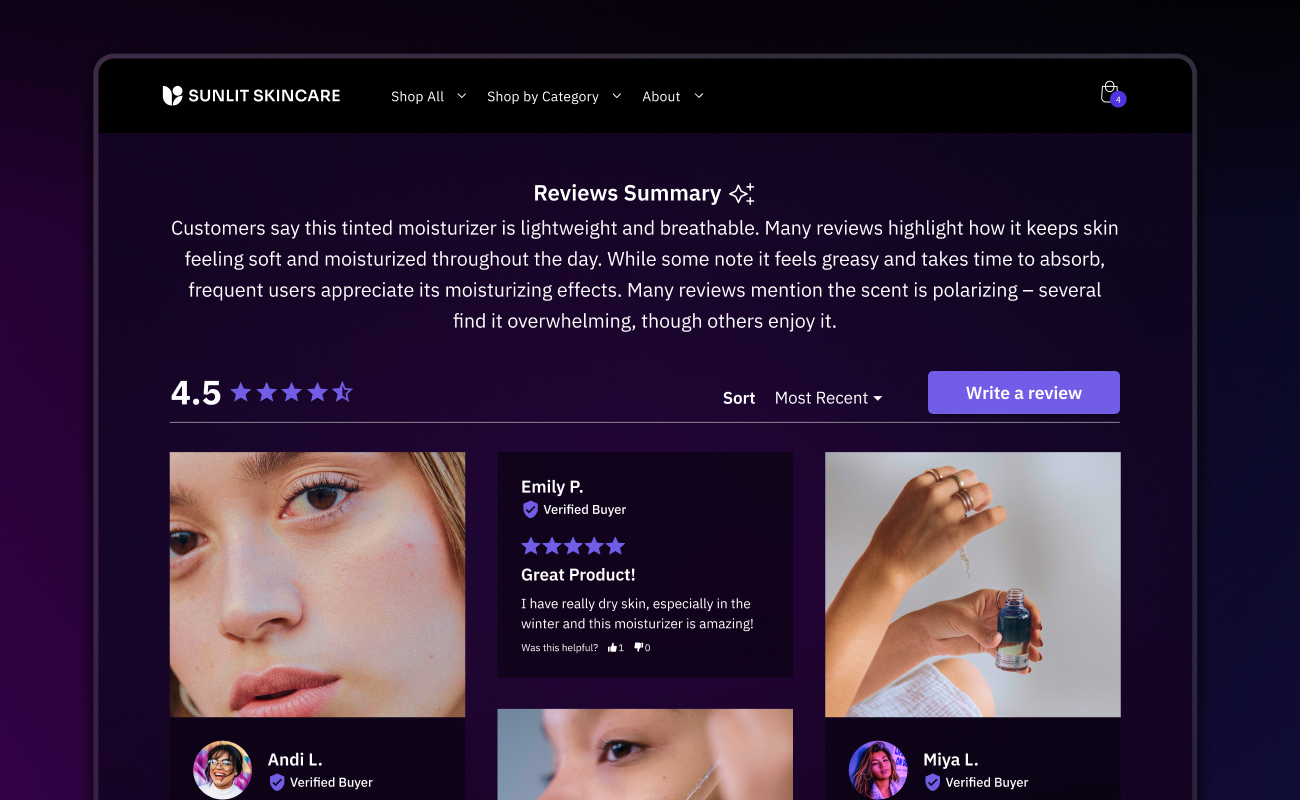
Credit: okendo.io
Why Product Ratings Matter
Product ratings give quick insight into what people think about a product. They help buyers decide if a product meets their needs. Ratings save time and reduce the risk of making a bad purchase. They reflect real experiences from other users. This makes shopping easier and more confident.
What Product Ratings Represent
Ratings show overall customer satisfaction. A high rating means most people liked the product. A low rating warns of problems or poor quality. Ratings combine many opinions into one simple number. This helps buyers see how well a product performs.
How Ratings Affect Buyer Trust
Ratings build trust between sellers and buyers. Good ratings show that a product is reliable. They give proof that the product does what it promises. Buyers feel safer buying items with many positive ratings. This trust often leads to more sales.
The Role Of Ratings In Comparing Products
Ratings make it easy to compare similar products. Buyers can quickly spot which products have better feedback. This helps narrow down choices without too much research. Ratings act like a shortcut to find quality products fast.
Why Ratings Impact Product Quality
Ratings encourage sellers to improve their products. Negative feedback pushes companies to fix issues. Positive ratings reward good products with more visibility. This cycle helps raise the overall quality in the market.
Credit: wiremo.co
Types Of Ratings And Their Meanings
Product ratings come in different types. Each type tells you something unique about the product. Knowing these types helps you make smart choices. Ratings show how well a product meets buyers’ needs and expectations.
Some ratings focus on customer opinions. Others come from experts. Some ratings are simple scores, while others include detailed reviews. Understanding these differences helps you trust the ratings more.
Star Ratings
Star ratings are the most common type. They usually range from one to five stars. More stars mean better quality or satisfaction. Buyers often use star ratings for a quick check. But stars alone don’t tell the whole story. Look for how many people rated the product too.
Verified Buyer Reviews
Verified buyer reviews come from people who actually bought the product. This adds trust and reliability. These reviews share real experiences, both good and bad. They help you see how the product works in daily life. Check for detailed comments, not just ratings.
Expert Scores
Experts test products and give scores based on specific standards. They look at quality, features, and performance. Expert scores often use detailed criteria. These ratings help when you want a deep understanding of the product. Experts give balanced opinions based on facts.
Spotting Fake Or Misleading Reviews
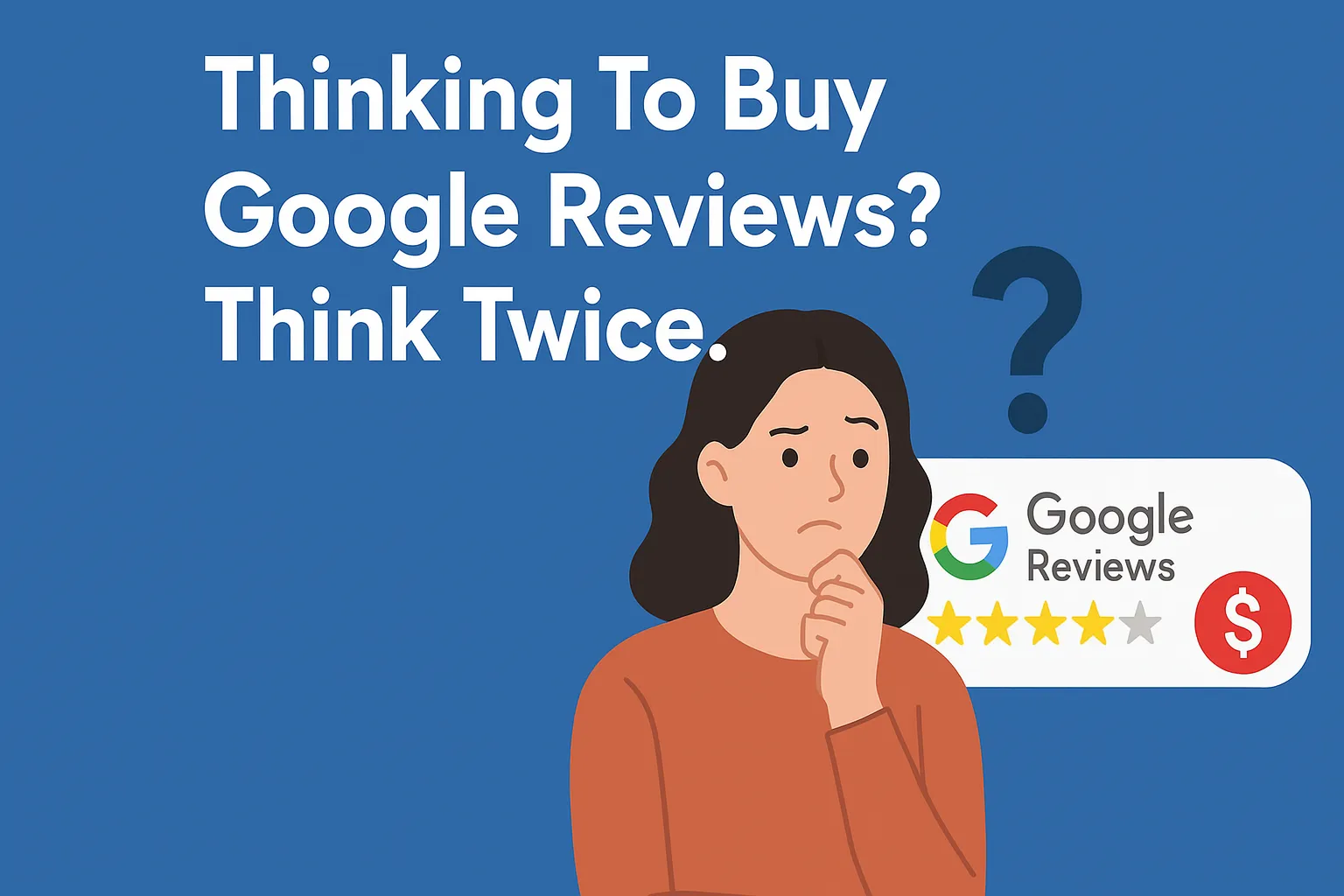
Fake or misleading reviews can trick buyers into making poor choices. These reviews often exaggerate or hide product flaws. Spotting them helps buyers trust real opinions and make smart purchases.
Common Red Flags
Reviews with only very positive or very negative words can be fake. Watch out for many reviews posted in a short time. Reviews that use the same phrases or sentences often come from fake accounts. Beware of reviews without details or personal experiences. Some fake reviews may praise the product too much or focus only on minor points.
Tools To Detect Fake Reviews
Several online tools help spot fake reviews. These tools analyze language patterns and timing. They check if reviews come from real buyers or bots. Some tools show suspicious accounts or repeated text. Using these tools gives buyers a clearer picture of a product’s true quality.
Factors Beyond Ratings To Consider
Product ratings give a quick idea about a product’s quality. Yet, ratings alone do not tell the full story. Other factors matter a lot for buyers. These factors help you make a smarter choice. They show how a product fits your needs beyond just stars.
Review Content Quality
Look closely at the reviews, not just the scores. Good reviews explain why buyers liked or disliked the product. Details about use, features, or problems help you understand the product better. Beware of very short or vague reviews. They might not be reliable. Reviews with photos or videos add trust. They give proof of the product’s real look and use.
Product Return Policies
Return policies protect your purchase. Check how long you have to return the product. See if you get a full refund or store credit. Clear and easy return rules show the seller’s confidence. Strict or unclear policies might cause trouble later. Knowing return options keeps you safe if the product does not match your expectations.
Customer Service
Good customer service helps solve problems fast. Check if the seller offers support by phone, chat, or email. Fast and friendly responses mean you are valued. Sellers who listen to complaints often improve their products. Poor customer service can make returns and fixes difficult. Good support adds peace of mind to your purchase.
Using Ratings To Make Smart Purchases
Product ratings offer valuable insight before buying. They show how users felt about their purchase. Using these ratings smartly helps save money and avoid bad products. Understanding ratings can guide buyers to make better choices.
Comparing Similar Products
Ratings let you quickly spot the best options. Compare products with similar features side by side. Check the average rating and the number of reviews. A product with many high ratings is often more reliable. Look beyond the stars. Read a few reviews to learn about real experiences. This helps find differences that matter most to you.
Prioritizing Your Needs
Not all products suit every buyer. Use ratings to focus on what matters to you. For example, durability might be key for some buyers. Others may value ease of use or price. Check ratings related to your top priorities. Pick products that score well in those areas. This approach makes sure your purchase fits your needs better.

Credit: qodgolfusa.com
Frequently Asked Questions
What Do Product Ratings Really Tell Buyers?
Product ratings show how well a product meets users’ needs. High ratings usually mean good quality and satisfaction. Low ratings might signal issues or poor performance.
How Can I Trust Product Ratings Online?
Check for many reviews, not just a few. Look for detailed feedback instead of just star numbers. Verified purchases add more trust to ratings.
Why Should I Read Comments With Ratings?
Comments explain why users gave certain ratings. They reveal real experiences, pros, and cons. This helps avoid surprises after buying.
Do Higher Ratings Always Mean Better Products?
Not always. Some products have fake or biased reviews. Compare ratings with product features and user comments to decide.
How Do Ratings Affect Product Prices?
Higher-rated products often cost more due to better quality. Lower ratings can lead to discounts or sales. Use ratings to find value for your money.
Conclusion
Product ratings help buyers make smart choices. Focus on detailed reviews, not just scores. Check who wrote the review and if it feels honest. Look for patterns in feedback to spot real strengths or problems. Ratings show what others think but trust your own needs too.
Use ratings as a helpful guide, not the only factor. This way, you find products that truly fit your expectations and budget. Simple steps lead to better buying decisions every time.