
Last Updated on June 25, 2026
Have you ever felt unsure whether a glowing review on a shopping website is real or just fake? You’re not alone.
Fake reviews can trick you into buying products that don’t live up to the hype, wasting your money and time. But what if you could quickly spot those fake reviews before making a decision? You’ll discover simple, effective ways to identify fake reviews so you can shop with confidence and avoid costly mistakes.
Keep reading—you’ll soon be able to trust the reviews you see and make smarter purchases every time.
Common Traits Of Fake Reviews
Fake reviews often share certain traits that make them stand out. Recognizing these signs helps shoppers avoid being misled. Spotting fake reviews is easier when you know what to watch for.
Overly Positive Or Negative Language
Fake reviews tend to use extreme words like “perfect” or “terrible” too often. They rarely mention small details or balanced opinions. Real reviews usually have both good and bad points.
Lack Of Specific Details
Fake reviewers avoid sharing specific information about the product. They write vague sentences like “This product is great” without explaining why. Genuine reviews often describe how the product was used.
Repeated Phrases Across Reviews
Many fake reviews use similar wording or phrases. This repetition suggests they were written by the same person or a script. Real reviews have unique expressions and varied language.
Short And Brief Comments
Fake reviews are often very short and lack depth. They do not tell a story or provide helpful insights. Honest reviews usually include more explanation and personal experience.
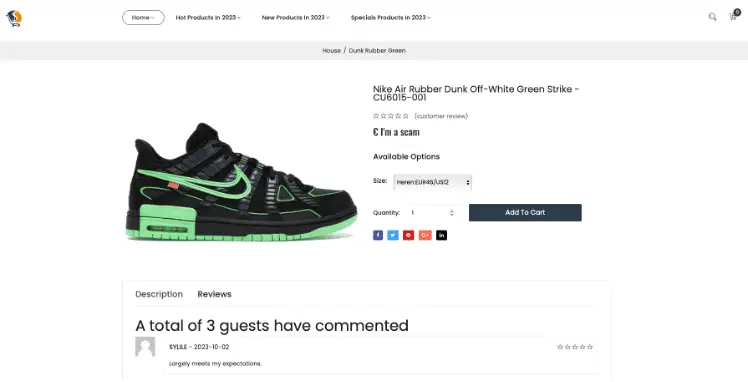
Suspicious Reviewer Profiles
Fake reviewers may have no profile picture or few other reviews. Their usernames might look random or strange. Real reviewers often have a history of varied, honest feedback.
Credit: ebrand.com
Analyzing Reviewer Profiles
Analyzing reviewer profiles helps reveal fake reviews quickly. Genuine profiles often show consistent activity and real user behavior. Fake profiles tend to have strange patterns and little information.
Checking these details improves your chances of spotting false reviews. Profiles give clues about the authenticity of the feedback left on products.
Review History And Frequency
Look at how many reviews a user has written. Real users usually post reviews over a long time. Fake reviewers often write many reviews in a short span.
Too many reviews in one day can signal fake activity. Genuine reviewers spread their opinions out over weeks or months.
Profile Details And Completeness
Check if the profile has a photo and a username. Real profiles often include personal touches and descriptions. Fake profiles may lack photos or use generic names.
Profiles with no details or unusual information should raise suspicion.
Review Content Consistency
Read other reviews by the same user. Genuine reviewers give balanced opinions and different product types. Fake reviewers might leave overly positive or negative reviews on many unrelated items.
Consistent, thoughtful comments suggest a real person behind the profile.
Verification And Purchase Badges
See if the reviewer has a verified purchase badge. Verified purchases prove the reviewer bought the product. Fake reviews often come without this verification.
This badge adds trust to the review and the reviewer’s profile.
Checking Review Patterns
Checking review patterns helps spot fake reviews quickly. Reviews that seem too similar or follow odd trends can signal deception. Genuine buyers leave diverse feedback based on real experiences. Patterns that repeat too much often mean the reviews are not real.
Look for unusual timing and wording in reviews. Fake reviews often appear in groups or clusters. They may all come in a short period or share similar phrases. Such patterns suggest the reviews were written by the same person or group.
Identical Phrases Across Multiple Reviews
Fake reviewers often copy and paste the same phrases. They do not change much between reviews. If many reviews use exact words or sentences, they may be fake. Genuine reviews usually have unique language and details.
Sudden Spike In Positive Ratings
A sudden increase in good reviews raises suspicion. Fake reviewers boost ratings fast to attract buyers. Real reviews appear gradually over time. Check if positive reviews appear all at once or in a short span.
Overly Positive Or Negative Language
Fake reviews often sound too good or too bad. They use extreme words without clear reasons. Real reviews share balanced opinions with pros and cons. Watch out for reviews that seem exaggerated or fake.
Reviews With No Specific Details
Fake reviews lack real product information. They use general statements like “great product” or “bad quality.” Authentic reviews mention specific features or experiences. Look for details that show the reviewer used the item.

Credit: www.pbebank.com
Using Tools To Detect Fake Reviews
Tools can help find fake reviews fast. They check patterns humans might miss. Using these tools saves time and improves trust in products.
Many tools use algorithms to spot fake reviews. They analyze text style, frequency, and reviewer behavior. This helps find reviews written by bots or paid writers.
Reviewmeta
ReviewMeta checks Amazon reviews for authenticity. It filters out suspicious reviews and shows a revised rating. The tool highlights unusual review spikes and biased comments.
Fakespot
Fakespot scans reviews on many shopping sites. It grades review quality from A to F. The tool flags reviews from unreliable sources or fake profiles.
Botometer
Botometer detects automated accounts on social platforms. It helps identify fake reviewers who use bots. This tool is useful for social media shopping sites.
Sentiment Analysis Tools
These tools study the tone of reviews. They spot overly positive or negative language that seems fake. This helps separate honest reviews from fake ones.
Trustworthy Sources For Product Feedback
Finding real opinions about products helps you make smart choices. Trustworthy sources give honest feedback from actual buyers. These sources can help you avoid fake reviews and misleading information.
Some places focus on verified purchases and genuine user experiences. They often have strict rules to keep reviews honest. Knowing where to find these trusted voices makes online shopping safer and easier.
Official Retailer Websites
Many big online stores verify if a customer bought the item. Verified purchase badges show the review comes from a real buyer. These reviews tend to be more reliable than anonymous ones.
Independent Review Platforms
Websites like Consumer Reports or Trustpilot collect honest user feedback. They check reviews for signs of fraud or fake posts. These platforms offer detailed insights and ratings from many users.
Social Media Groups And Forums
Real customers share their experiences in groups or forums. Look for active communities where users discuss products openly. These places reveal honest pros and cons from real users.
Expert Blogs And Review Sites
Experts test products and write detailed reviews. Their opinions often include pros and cons based on real use. These reviews usually avoid fake claims and focus on facts.
Credit: www.aarp.org
Frequently Asked Questions
How Can I Identify Fake Reviews On Shopping Websites?
Look for overly positive language or repeated phrases. Check if many reviews lack details or seem too similar.
Why Do Some Reviews Seem Too Perfect Or Fake?
Fake reviews often use extreme praise without specifics. Real reviews usually include both pros and cons.
What Role Do Review Dates Play In Spotting Fakes?
Many reviews posted in a short time may signal fake activity. Genuine feedback tends to be spread over time.
Can Verified Purchase Badges Guarantee Review Authenticity?
Verified badges help but don’t always ensure truth. Some fake reviews still slip through verification processes.
How Do Overly Negative Reviews Affect Trustworthiness?
Too many harsh reviews without clear reasons might be fake. Balanced opinions are more likely to be genuine.
Conclusion
Spotting fake reviews helps you shop smarter and safer online. Trust your gut if something feels off. Check for patterns like too many similar comments or overly positive words. Real reviews often share both good and bad points. Take your time to read several reviews before buying.
This small effort can save money and avoid disappointment. Stay alert and make informed choices every time you shop. Simple steps protect you from misleading opinions and poor products. Keep these tips in mind for a better shopping experience.