
Last Updated on June 25, 2026
You shop online because it’s quick and convenient. But have you ever stopped to think about how safe your personal information really is?
Every time you enter your card details or share your address, you could be opening the door to risks you didn’t even know existed. What if you could protect yourself easily and still enjoy all the benefits of online shopping?
You’ll discover simple, effective safety tips that anyone can follow. Keep reading, because your peace of mind while shopping online is just a few smart moves away.
Protecting Personal Information
Protecting personal information is crucial when shopping online. Sharing too much data can lead to identity theft or fraud. Taking simple steps keeps your details safe and your shopping experience secure.
Using Strong Passwords
Create passwords that are hard to guess. Use a mix of letters, numbers, and symbols. Avoid common words or easy patterns like “12345” or “password.” Change passwords regularly to stay safe. A strong password helps block hackers from accessing your accounts.
Avoiding Public Wi-fi
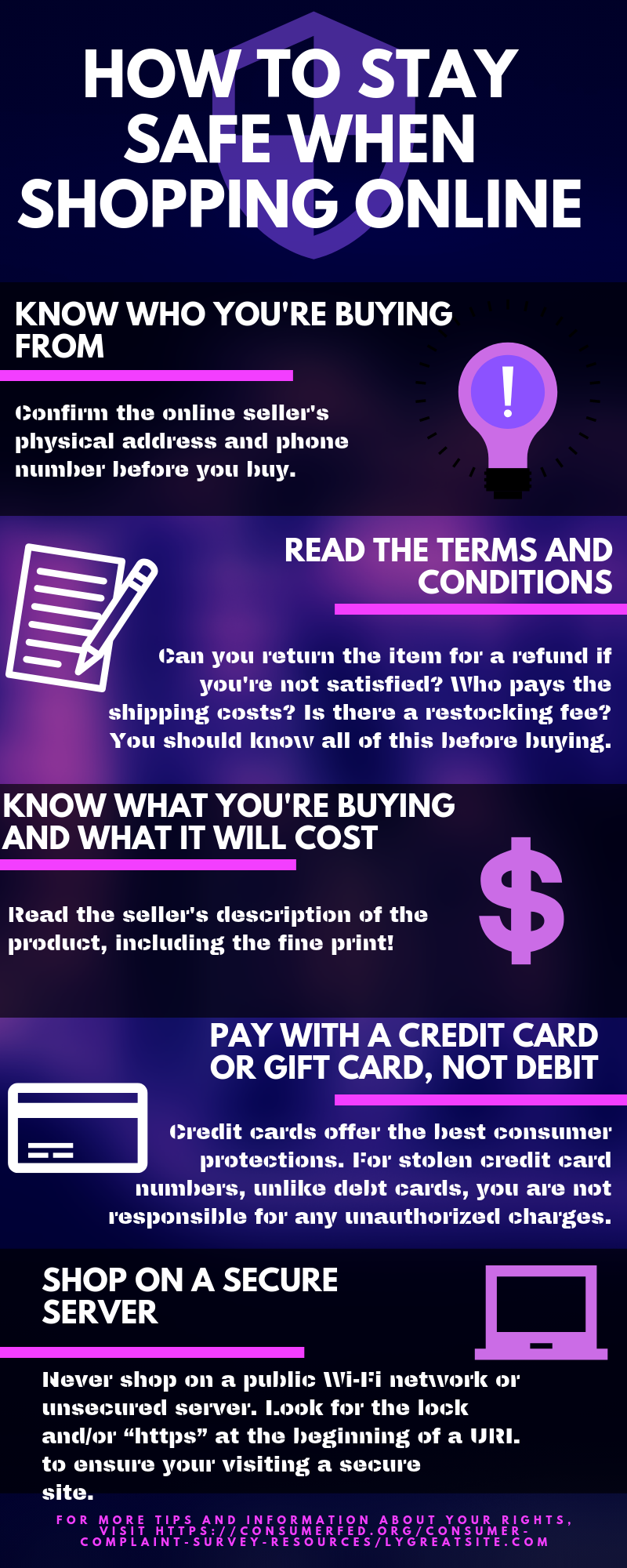
Public Wi-Fi networks are often not secure. Hackers can intercept your information on these networks. Avoid shopping or entering personal data on public Wi-Fi. Use a private, trusted connection instead. A safer network reduces the risk of your data being stolen.
Recognizing Secure Websites
Check the website’s address before entering details. Look for “https://” at the start, not just “http://”. The “s” means the site uses encryption to protect data. Also, see if there is a padlock icon near the address bar. These signs show the website is secure and trustworthy.
Credit: consumerfed.org
Identifying Safe Payment Methods
Choosing the right payment method is key to safe online shopping. It protects your money and personal details. Understanding different payment options helps avoid fraud and scams.
Some payment methods offer better security and easier dispute resolution. Others can put your bank account at risk. Knowing the difference helps you shop with confidence.
Credit Cards Vs. Debit Cards
Credit cards provide more protection than debit cards. They often offer fraud alerts and zero liability policies. You can dispute charges more easily with a credit card.
Debit cards take money directly from your bank account. If stolen, your funds may be harder to recover quickly. Avoid using debit cards on unfamiliar websites to reduce risk.
Using Digital Wallets
Digital wallets store your payment information securely. They use encryption and tokenization to protect data. Pay with one click without sharing card details on sites.
Popular digital wallets include Apple Pay, Google Pay, and PayPal. These options add a layer of security to online transactions. They also help you track payments in one place.
Avoiding Wire Transfers
Wire transfers are risky for online shopping. They send money directly and cannot be reversed. Scammers often ask for wire transfers to steal funds.
Do not send money through wire transfers to unknown sellers. Choose payment methods that offer buyer protection instead. This reduces chances of losing money to fraud.
Spotting Scam And Fake Websites
Spotting scam and fake websites is key for safe online shopping. Fake sites often look real but trick you into giving money or personal info. Learning how to spot these scams protects your wallet and data.
Checking Website Reviews
Look for reviews from other shoppers. Real feedback helps you see if a site is trustworthy. Beware of sites with no reviews or only very good ones. Fake sites often post fake reviews to seem safe.
Verifying Contact Information
Check for clear contact details like phone numbers and addresses. Test the phone number if you can. Scam sites often hide or provide fake contact info. Real stores want you to reach them easily.
Watching Out For Unrealistic Deals
Be cautious of prices that are too low to be true. Scam sites use very cheap prices to attract buyers fast. Compare deals with other stores. If it looks too good, it probably is.
Credit: blog.genome.eu
Managing Orders And Deliveries
Managing your orders and deliveries is a key part of safe online shopping. It helps you stay informed and protect your purchases. Knowing what to do after placing an order can prevent problems and save time.
Check your order status regularly. This way, you know where your items are and when they will arrive. Be prepared to act quickly if something seems wrong.
Tracking Shipments
Use the tracking number provided by the seller. Enter it on the courier’s website to see your package’s progress. Tracking helps you know the exact delivery date and avoid missed deliveries.
Set alerts for updates on your shipment. These notifications keep you informed about delays or changes. Always keep your tracking information private to avoid scams.
Inspecting Packages
Check your package immediately after delivery. Look for damage or signs of tampering. Open it in front of the delivery person if possible.
Take photos of the package and contents. These pictures help with claims if items are missing or broken. Report any issues to the seller right away.
Handling Return Policies
Read the return policy before buying. Know the time frame and conditions for returns. Keep all packaging and receipts in case you need to return items.
Follow the seller’s return instructions carefully. Use tracked shipping for returns to prove you sent the item back. Understand your rights to avoid losing money.
Keeping Devices Secure
Keeping your devices secure is a key part of safe online shopping. Hackers often target computers, tablets, and phones to steal personal data. Protecting your devices stops thieves from accessing your accounts and payment details.
Simple steps can make a big difference. Keep your devices updated, use antivirus tools, and add extra login security. These actions help block threats and keep your information safe.
Updating Software Regularly
Software updates fix security problems and improve performance. Outdated software has weaknesses that hackers exploit. Set your device to update automatically. This ensures you have the latest protections without delay. Don’t ignore update alerts from your device or apps.
Using Antivirus Programs
Antivirus programs scan your device for harmful software. They remove viruses, malware, and spyware that steal data. Choose a trusted antivirus and keep it active. Run regular scans to detect threats early. An antivirus acts as a shield between you and online dangers.
Enabling Two-factor Authentication
Two-factor authentication (2FA) adds a second step to login. It asks for a code sent to your phone or email after entering your password. This extra layer makes it harder for hackers to access your accounts. Turn on 2FA on shopping sites and email accounts for better security.
Credit: www.frouteclothing.com
Frequently Asked Questions
How Can I Tell If An Online Store Is Safe?
Look for HTTPS in the website URL and a padlock icon. Check for clear contact information and trusted payment methods. Reviews from other buyers also help.
What Are The Best Payment Methods For Online Shopping?
Credit cards and PayPal offer better fraud protection. Avoid using debit cards or direct bank transfers for safer transactions.
How Do I Create A Strong Password For Shopping Sites?
Use a mix of letters, numbers, and symbols. Avoid common words and never reuse passwords across sites.
What Should I Do If I Suspect Online Fraud?
Contact your bank or card issuer immediately to report suspicious charges. Also, notify the online store and change your account passwords.
Is It Safe To Shop On Public Wi-fi Networks?
Public Wi-Fi is risky because hackers can steal your data. Use a trusted VPN or shop only on secure, private networks.
Conclusion
Stay alert and protect your personal information online. Always use strong passwords and shop on trusted websites. Double-check the website’s security before entering payment details. Keep your devices updated to avoid security risks. Trust your instincts—if a deal looks too good, it might be a scam.
Safe shopping takes a little time but saves big trouble. Enjoy the convenience of online shopping with smart habits. Your safety matters every time you shop online.